
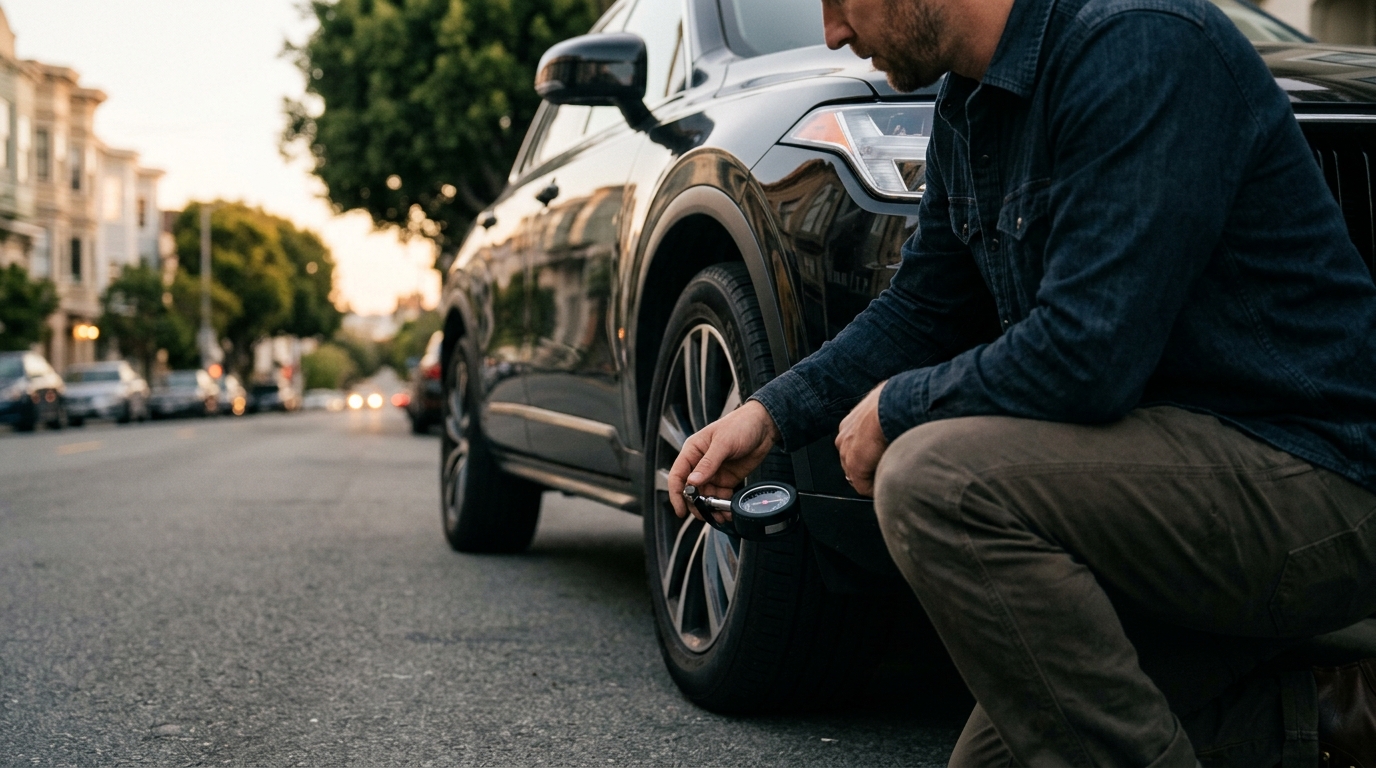
Check tire pressure monthly and before long trips. Perform a professional wheel alignment every 6,000 to 10,000 miles or when you notice pulling. This guide explains the exact schedules, warning signs, and maintenance routines that protect your vehicle's safety and tire lifespan.
Alignment Inspection Triggers
Wheel alignment is the adjustment of your vehicle's steering and suspension angles to match manufacturer specifications. It is not a routine fluid change but a precision service that ensures your car tracks straight and tires wear evenly. Most drivers should have their alignment checked every 6,000 to 10,000 miles. However, you should not wait for the mileage marker if specific triggers occur.
Physical Damage and Road Hazards
California roads can be unpredictable. Hitting a deep pothole, a high curb, or a large speed bump can knock your alignment out of spec instantly. If you feel a sudden change in how your car handles, or if the steering wheel feels loose, schedule an inspection immediately. At Big Discount Tire Pros, technicians use state-of-the-art technology to detect these subtle shifts before they cause uneven wear.
Steering and Handling Changes
Your car is your primary indicator of alignment health. If the vehicle pulls to the left or right on a flat, straight road, your alignment is likely off. You might also notice the steering wheel is off-center when driving straight. These are not just annoyances; they are safety risks. Ignoring a pulling vehicle forces one side of the tires to work harder, leading to premature failure.
Uneven Tire Wear Patterns
Look at your tire treads. If one edge of the tire is worn down significantly faster than the other, you have an alignment issue. This is often called feathering or scalloping. A professional inspection can correct the angles to restore even contact with the road. This simple check can save you the cost of replacing a full set of tires early.
Tire Pressure Check Schedule
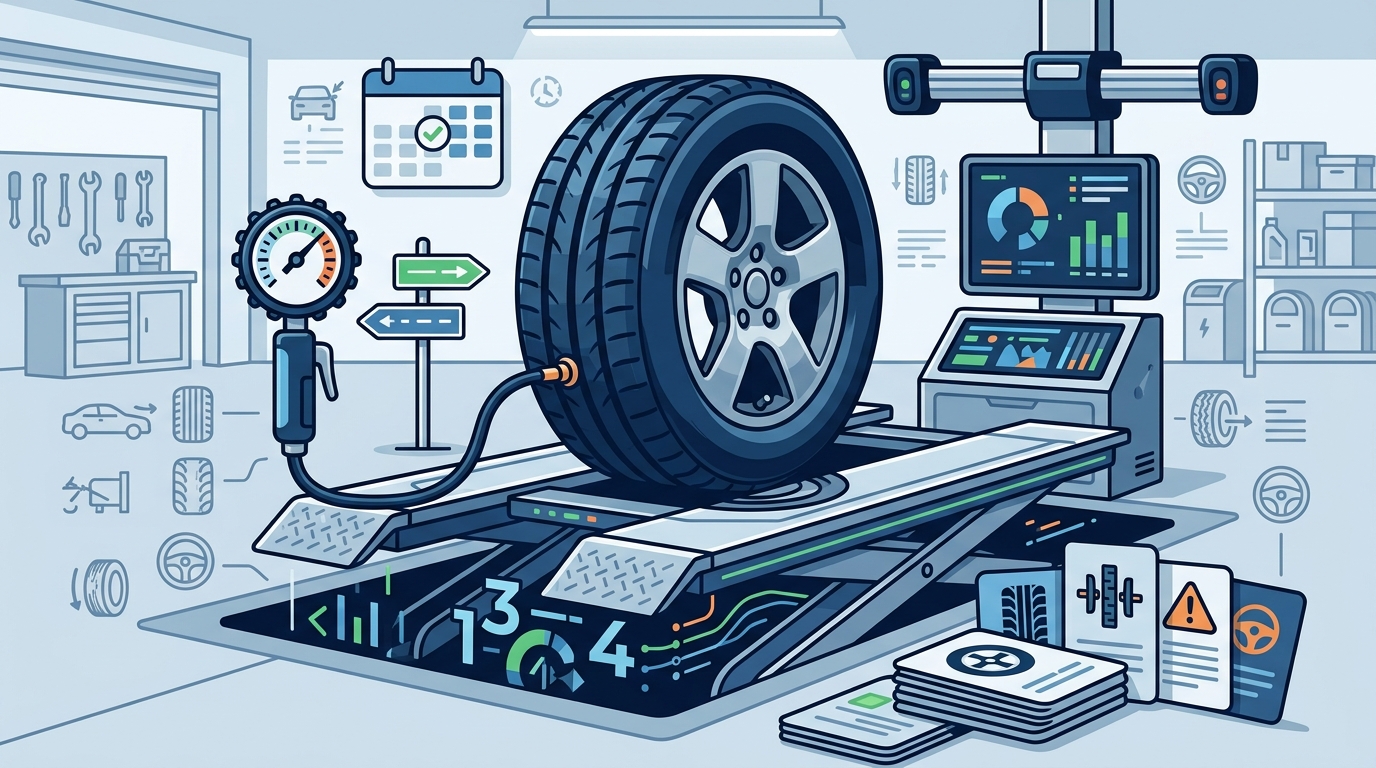
Tire pressure is the force of the air inside the tire. It is the single most critical factor in your vehicle's safety and fuel efficiency. You should check your tire pressure at least once a month. Additionally, you must check the pressure before any long road trip. Temperature changes in California can cause significant pressure drops, making monthly checks essential for year-round safety.
The Monthly Baseline
Set a recurring reminder on your phone for the first day of every month. Check the pressure when the tires are cold, meaning the car has been parked for at least three hours. Hot tires give false readings because the air expands with heat. The correct pressure is listed on a sticker inside your driver's side door jamb or in your owner's manual. Do not use the number on the tire sidewall, as that is the maximum capacity, not the recommended operating pressure.
Temperature and Seasonal Adjustments
For every 10-degree drop in temperature, tire pressure decreases by about 1 PSI. In the Bay Area, winter mornings can be significantly colder than summer afternoons. This means your tires may lose pressure during the colder months. If you notice the low tire pressure light on your dashboard, do not ignore it. It indicates a 25% drop in pressure, which is a serious safety hazard. Top off the air to the recommended level and monitor the light.
Pre-Trip Verification
Before driving more than 100 miles, check your tire pressure. Long trips generate heat, which increases pressure. Starting with the correct cold pressure ensures your tires operate within safe limits for the entire journey. Under-inflated tires overheat during long drives, which can lead to a blowout. A five-minute check with a reliable gauge can prevent a dangerous roadside emergency.
How Maintenance Impacts Tire Life
Proper maintenance extends the life of your tires and improves your vehicle's performance. Tire rotation is the process of moving tires to different positions on the vehicle to ensure even wear. You should rotate your tires every 5,000 to 7,500 miles. This service is often performed during an oil change. Combining these services saves you time and money.
Rotation and Alignment Synergy
Inspection and Early Detection
Regular inspections help catch issues before they become expensive repairs. A visual check for cracks, bulges, or embedded objects can prevent a flat tire. Our technicians perform thorough inspections to identify potential issues. This proactive approach ensures your vehicle remains safe and reliable. It also helps you plan for future maintenance needs.
Pressure vs. Alignment Comparison
Understanding the difference between pressure checks and alignment services helps you prioritize your maintenance. The table below summarizes the key differences between these two critical services.
| Feature | Tire Pressure Check | Wheel Alignment |
|---|---|---|
| Frequency | Monthly and before long trips | Every 6,000 to 10,000 miles |
| Who Performs It | Vehicle Owner | Certified Technician |
| Cost | Free (using a gauge) | Professional Service Fee |
| Primary Benefit | Fuel efficiency and safety | Even tire wear and handling |
| Warning Signs | Low pressure light, soft feel | Pulling, off-center wheel, uneven wear |
Key Takeaways
- Check tire pressure monthly and before every long trip.
- Have your wheel alignment checked every 6,000 to 10,000 miles.
- Inspect alignment immediately after hitting a pothole or curb.
- Rotate your tires every 5,000 to 7,500 miles to ensure even wear.
- Always check tire pressure when the tires are cold.
- Use the pressure listed on the door jamb sticker, not the tire sidewall.
- Uneven tire wear is a clear sign that your alignment needs adjustment.
- Proper maintenance improves fuel efficiency and extends tire life.
Frequently Asked Questions
How often should I check my tire pressure?
You should check your tire pressure at least once a month. It is also recommended to check before any long road trip. Temperature changes can affect pressure, so regular checks are essential for safety.
How often does a car need a wheel alignment?
A car typically needs a wheel alignment every 6,000 to 10,000 miles. However, you should get it checked sooner if you notice your car pulling to one side or if you hit a large pothole.
What is the difference between tire rotation and alignment?
Tire rotation involves moving tires to different positions on the vehicle to ensure even wear. Wheel alignment adjusts the angles of the wheels to match manufacturer specifications. Both are necessary for optimal tire life.
Can I check my tire pressure at home?
Yes, you can check your tire pressure at home using a reliable tire pressure gauge. Make sure to check the pressure when the tires are cold for the most accurate reading.
What happens if my tire pressure is too low?
Low tire pressure can lead to poor fuel efficiency, uneven tire wear, and an increased risk of a blowout. It can also affect your vehicle's handling and braking performance.
Where can I find the recommended tire pressure for my car?
The recommended tire pressure is usually listed on a sticker inside the driver's side door jamb. You can also find this information in your vehicle's owner's manual.
Does hitting a pothole affect my alignment?
Yes, hitting a deep pothole or a high curb can knock your alignment out of spec. If you notice any changes in how your car handles after hitting an obstacle, have your alignment checked.
How much does a wheel alignment cost?
The cost of a wheel alignment varies depending on the vehicle and the shop. For accurate pricing, please contact Big Discount Tire Pros for a quote.
Conclusion
Maintaining your vehicle's tire pressure and alignment is a simple yet critical task. By checking your pressure monthly and having your alignment inspected every 6,000 to 10,000 miles, you ensure your safety and save money on tire replacements. At Big Discount Tire Pros, we provide expert service to keep your vehicle running smoothly. Visit our locations in Alameda, Dixon, Fairfield, Fremont, or Vacaville to schedule your next service appointment today.