
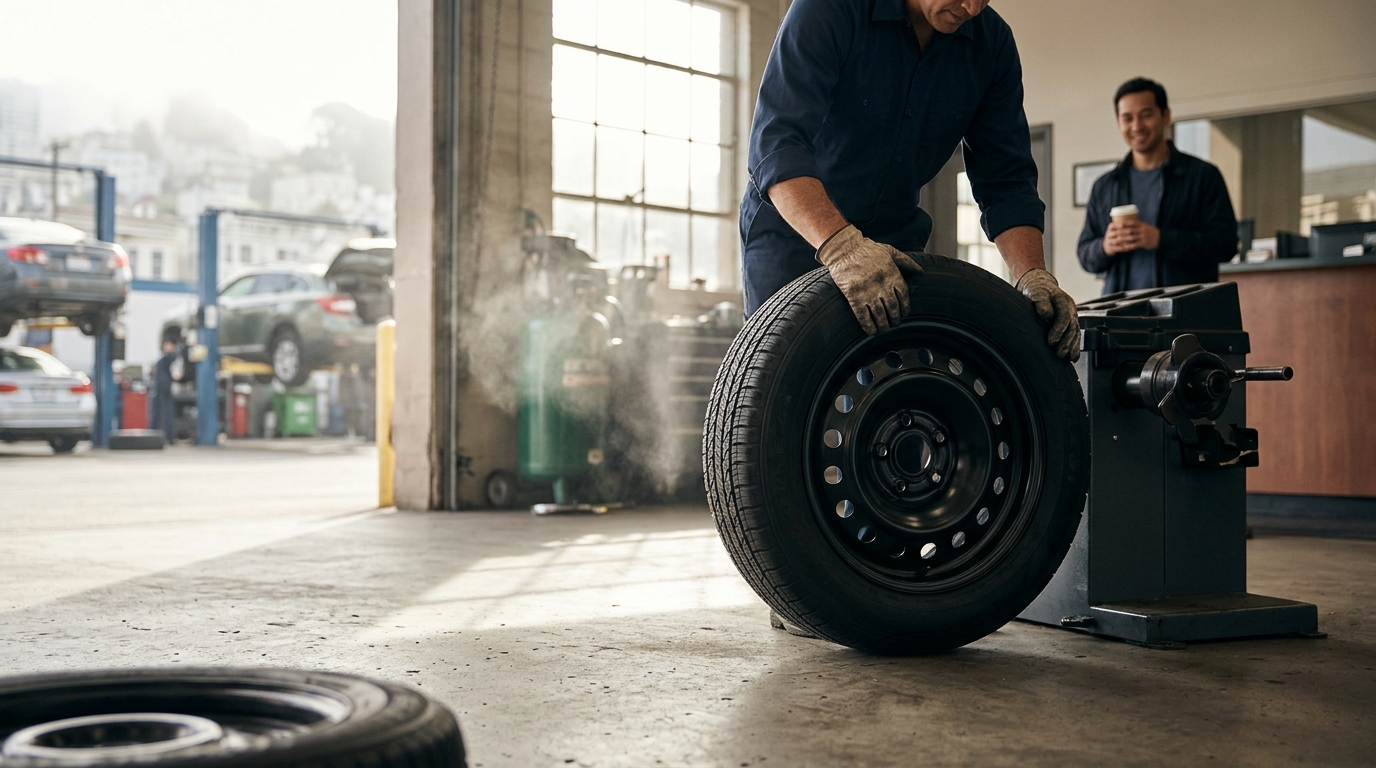
What to Expect When Getting New Tires Installed at a Professional Shop
When you bring your vehicle to a professional shop for new tires, expect a structured process that begins with a thorough inspection of your current wheels and suspension components. Technicians will remove the old tires, mount the new ones, balance the wheels, and perform a final alignment check to ensure safety and performance. At Big Discount Tire Pros, this process is designed to be transparent, efficient, and focused on long-term vehicle health rather than just a quick swap.
The Initial Inspection and Consultation
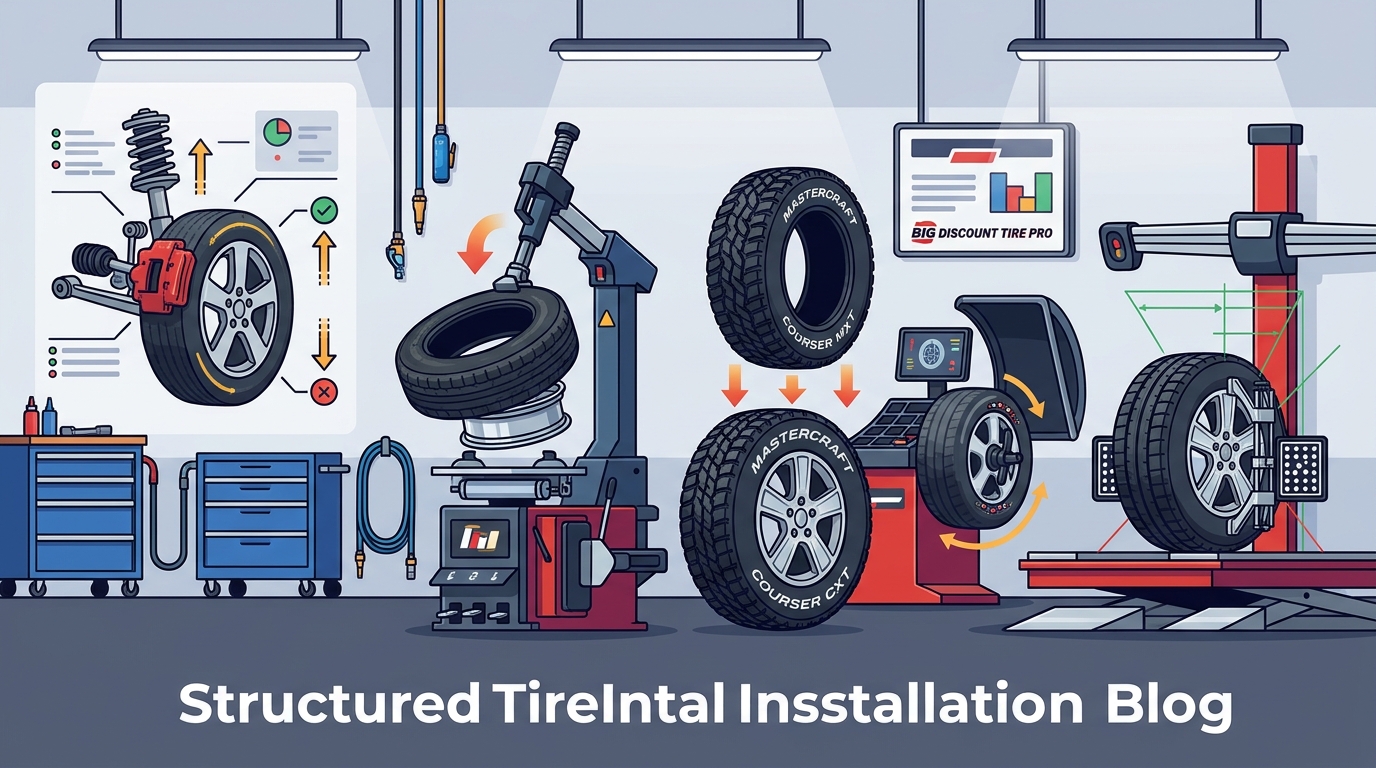
The first step in any professional tire installation is a detailed inspection of your vehicle's existing components. This is not merely a formality; it is a critical safety check. Technicians examine the condition of your wheels, brake rotors, and suspension parts to identify any hidden damage that could affect the new tires. For example, a cracked wheel rim or a worn brake caliper can compromise the integrity of the new tire installation if left unaddressed.
During this phase, the technician will discuss your driving habits and needs with you. If you drive frequently on highways, they might recommend tires with a higher speed rating. If you live in an area with heavy snow, winter-specific tires might be suggested. This consultation ensures that the tires you purchase are the right fit for your specific lifestyle and vehicle requirements.
Removal and Mounting Process
Once the correct tires are selected, the old tires are removed from the vehicle. Professional shops use specialized equipment to safely detach the wheels without damaging the hub or brake components. The new tires are then mounted onto the wheels using heavy-duty tire changers. This step requires precision to ensure the tire bead seats correctly on the rim, which is essential for maintaining air pressure and preventing blowouts.
At Big Discount Tire Pros, technicians are trained to handle a wide variety of tire sizes and types, from standard passenger cars to heavy-duty trucks. They ensure that the mounting process is clean and that no debris is left on the wheel surface, which could affect the balance of the wheel later.
Wheel Balancing and Alignment
After the tires are mounted, the next critical step is wheel balancing. Wheel balancing is the process of adding small weights to the wheel to ensure it rotates evenly. An unbalanced wheel can cause vibrations in the steering wheel, uneven tire wear, and stress on the suspension components. Professional shops use computerized balancers to achieve precise balance, which is crucial for a smooth and quiet ride.
In addition to balancing, many professional shops also perform a wheel alignment check. Wheel alignment is the adjustment of the angles of the wheels so that they point straight ahead and perpendicular to the ground. Proper alignment ensures that your new tires wear evenly and last as long as possible. If your alignment is off, your new tires may wear out prematurely, wasting your investment. You can learn more about the importance of alignment in our wheel alignment service guide.
Final Checks and Test Drive
Before you drive off the lot, the technician will perform a final check of the tire pressure and ensure all lug nuts are torqued to the manufacturer's specifications. They will also inspect the tires for any visible defects or issues that may have arisen during the installation process. This final step is your last line of defense against installation errors.
Many professional shops, including Big Discount Tire Pros, recommend a short test drive to ensure the vehicle handles correctly. If you notice any vibrations, pulling, or unusual noises, the shop can address them immediately. This proactive approach ensures that you leave the shop with confidence in your new tires.
Post-Installation Care and Maintenance
Getting new tires installed is not the end of the story; it is the beginning of a new phase of vehicle maintenance. To get the most out of your new tires, you should monitor your tire pressure regularly and rotate your tires every 5,000 to 7,500 miles. Tire rotation is the process of moving the tires from one position on the vehicle to another to ensure even wear. You can schedule a tire rotation at Big Discount Tire Pros to keep your tires in optimal condition.
Additionally, keeping your tires properly inflated and avoiding aggressive driving habits will extend their lifespan. By following these simple maintenance steps, you can ensure that your new tires provide safe and reliable performance for years to come.
Key Takeaways
- Professional tire installation begins with a thorough inspection of your wheels and suspension components.
- Wheel balancing is essential for a smooth ride and preventing uneven tire wear.
- Wheel alignment ensures that your new tires wear evenly and last longer.
- A final check of tire pressure and lug nut torque is a critical safety step.
- Regular tire rotation and pressure checks are necessary to maximize the lifespan of your new tires.
- Choosing a reputable shop like Big Discount Tire Pros ensures a transparent and high-quality installation process.
Frequently Asked Questions
How long does a professional tire installation take?
A standard tire installation typically takes between 30 minutes and an hour, depending on the complexity of the vehicle and the number of tires being replaced. If additional services like wheel balancing or alignment are performed, the process may take longer.
Do I need a wheel alignment with new tires?
While not always mandatory, a wheel alignment is highly recommended when installing new tires. It ensures that the tires wear evenly and helps prevent premature wear, saving you money in the long run.
What is wheel balancing and why is it important?
Wheel balancing is the process of adding weights to the wheel to ensure it rotates evenly. It is important because an unbalanced wheel can cause vibrations, uneven tire wear, and stress on the suspension components.
How often should I rotate my new tires?
It is recommended to rotate your tires every 5,000 to 7,500 miles, or as specified in your vehicle's owner's manual. Regular rotation helps ensure even wear and extends the life of your tires.
Can I drive my car immediately after tire installation?
Yes, you can drive your car immediately after tire installation. However, it is advisable to drive cautiously for the first 50 to 100 miles to allow the tires to settle and the alignment to stabilize.
What should I do if I notice vibrations after installation?
If you notice vibrations after installation, return to the shop immediately. The technician can re-check the wheel balance and alignment to ensure everything is correct. Most reputable shops will address these issues at no additional cost.